


Alibaba had its best day in ten months last week. The U.S. shares rose about 11%, the Hong Kong listing gained more than 12%, and somewhere around $30 billion of market value showed up in a single session.
Management had been holding pre-earnings calls with the Street, and notes from those conversations started making the rounds. The message was that quick commerce losses are coming down much faster than people expected and that the June quarter, which Alibaba reports next month, should look better than feared.
That was basically it. The money-losing business is apparently losing less money.
Alibaba did the same thing back in January. Those calls leaked too, and I spent a weekend writing up what management was telling people.

Except in January, the message was the exact opposite. And the stock is now about a third lower than it was when those calls happened.
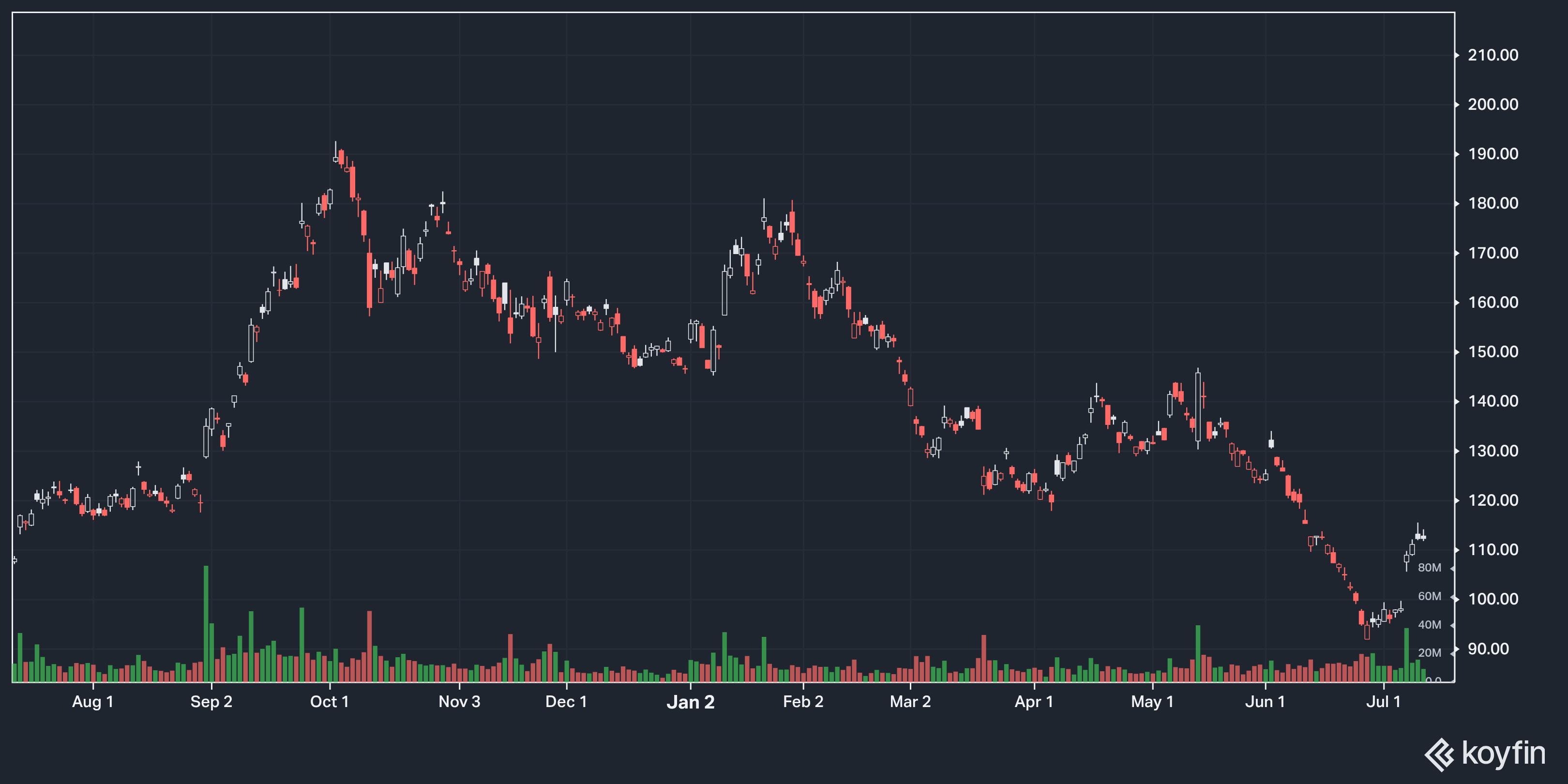
That’s the part worth sitting with for a minute because it has been a rough few months to own this thing. The stock went from $193 to $140, then slowly bled from around $112 into the mid-$90s during June. I’ve been long the whole way, written about it the whole way, and none of it was fun.
I also put out a post last week saying China tech had become one of the most ignored corners of the market because every dollar chasing AI was getting sucked into the semiconductor supply chain.
Then Alibaba ripped 48 hours later.
I’ll take it, but I’m not going to pretend I saw that coming.
January’s Message
The January message was pretty negative.
Take your cloud numbers down. December-quarter e-commerce was slowing materially and CMR kept decelerating. Quick commerce losses weren’t narrowing because Alibaba was still spending heavily to push its market share above 50%. The buyback was non existent, with management rightly prioritizing investment in AI and cloud growth instead, and there was no suggestion it would pick back up anytime soon.
Somebody even asked directly whether e-commerce growth could fall from 9% to 3% or 4%, and management wouldn’t answer.
I thought they were sandbagging. They mostly weren’t. The quarter came in around where management had pointed, and the stock still sold off.
The interesting part is that management clearly knows these calls move expectations. If they were worried about the quarter they’re about to report, I doubt they’d be going out of their way to tee up good news seven weeks early.
The details inside the notes are worth paying attention to, but the direction of the message probably tells you more. In January, management wanted estimates coming down. This time, they went out of their way to tell people things were improving.
The funny thing is, almost none of what came out of the call should have been a surprise.